

Professional Manufacturer of EMI Filters, Brake Rectifiers & Potentiometers.




Your Go-To EMI Filter Maker
Custom Designs, Low MOQs
Beyond Just Power Filters
Smooth Global Exporting
LXLZ Electrical Products
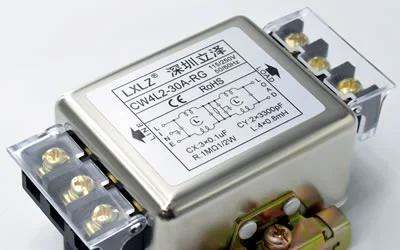
EMI/RFI Filters
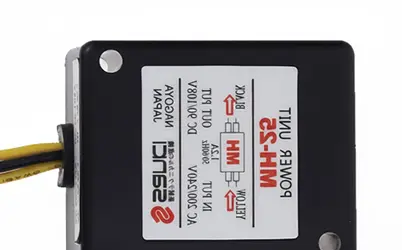
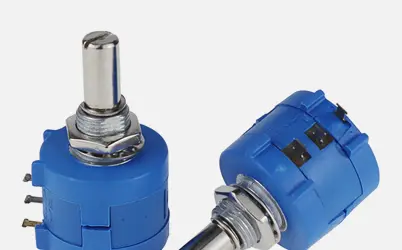
Fast-Response Custom Design
Optimized for Industrial Loads
Production Line Pass Rate


Direct Engineering Access
Strictly Locked Specs
Quick Defect Resolution
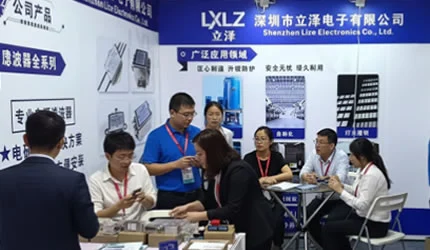
Where Privacy Meets Performance Excellence
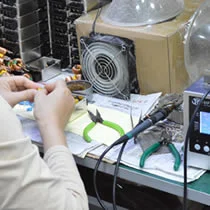
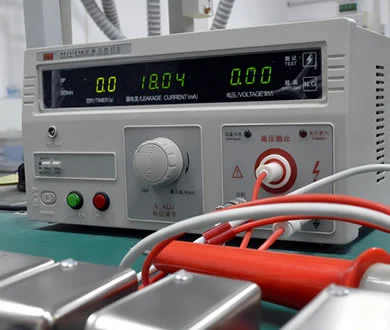
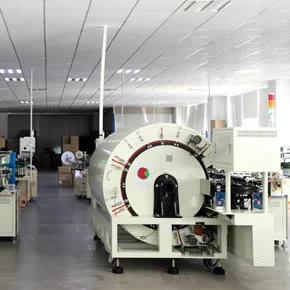
Shenzhen Lize Electronics Co., Ltd.
Shenzhen Lize Electronics Co., Ltd. was established in 2022 and is rooted in Shenzhen, Guangdong Province. It is a professional electronic component manufacturing enterprise focusing on the research, development and production of power filtering and related electrical control products. As the company's flagship product, filters cover multiple specifications and models such as single-phase/three-phase/AC/DC, and can be adapted to circuit systems of different power levels.
The company has also expanded to form a diversified product line: brake motor rectifiers and potentiometers, which support customization according to customer needs. It has customized production and ODM service capabilities, supports multi-mode cooperation, and has rich experience in undertaking foreign trade orders, suitable for small and medium batch flexible manufacturing needs.
Our vision is to become a trusted brand for users. Through the advantages of talents and resources, we will create long-term value for customers and inject new momentum into the development of the industry.
-
ISO 9001
-
CE Certified
-
UL Listed
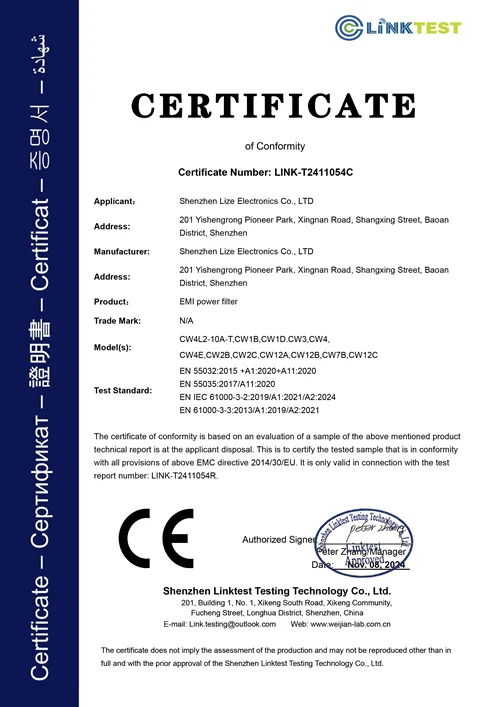
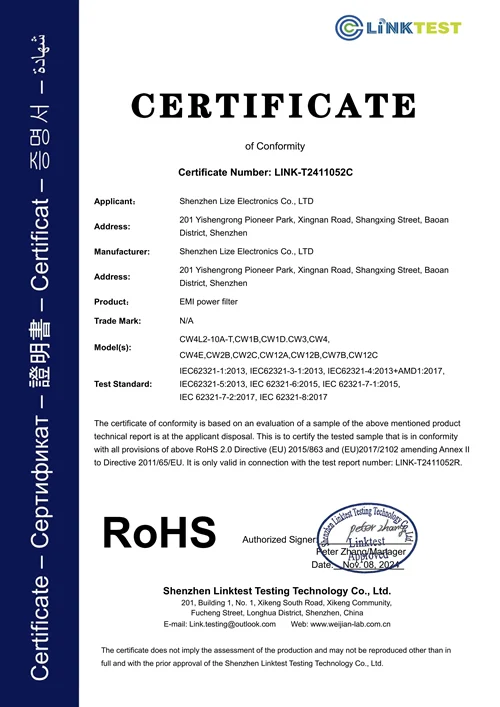
Trusted by Company Leaders




What can we
help you find?

Read the sticker on your equipment. If it says "AC," you must use an AC filter. If it says "DC," get a DC filter. Do not mix them up! You could burn the filter or your machine. If you are not sure, test the input. DC power has a positive and negative side. AC power does not.
You can. But you must be careful. Add up the total current of all the machines. It must be less than what the filter can handle.
Connect each machine directly to the filter output. Do not chain them one after another. If one machine uses a lot of power, give it its own filter. Let the small machines share one.
Don't overload it. Keep the voltage and current within the limits. Check it every three months.
Keep it clean. If it is in a dusty factory, blow the dust out with air once a month. Dust makes it get hot. Also, don't flip the power on and off too fast. Wait at least 30 seconds between clicks. This protects the inside parts.
No. Over 60°C is bad. First, check if you are using too much power. Then open it up. Look for bad parts or dust. You might need to add a fan. If the room is hot, move the filter to a cooler spot.
Use a network analyzer tool. Compare the results to the data from when it was new.
If you don't have that tool, measure the noise. If the interference is really high, the filter is probably broken.
Pay attention to the environment.
Heat: Keep it away from hot things. Give it air.
Water: Keep it dry. If it's wet, get a waterproof one.
Shaking: Screw it down tight so it doesn't rattle.
Dust: Keep it away from dust or clean it often.
Interference: Keep the input and output wires apart. Ground the metal case.
We can speed that up. We can keep the main parts in stock. Then we only do the final tuning when you order. This cuts the wait down to 20 days.
Put it right next to the interference source. Or put it at the power input. Keep the input wires short—under 30cm. Long wires act like antennas and pick up noise.
Manufacturer News
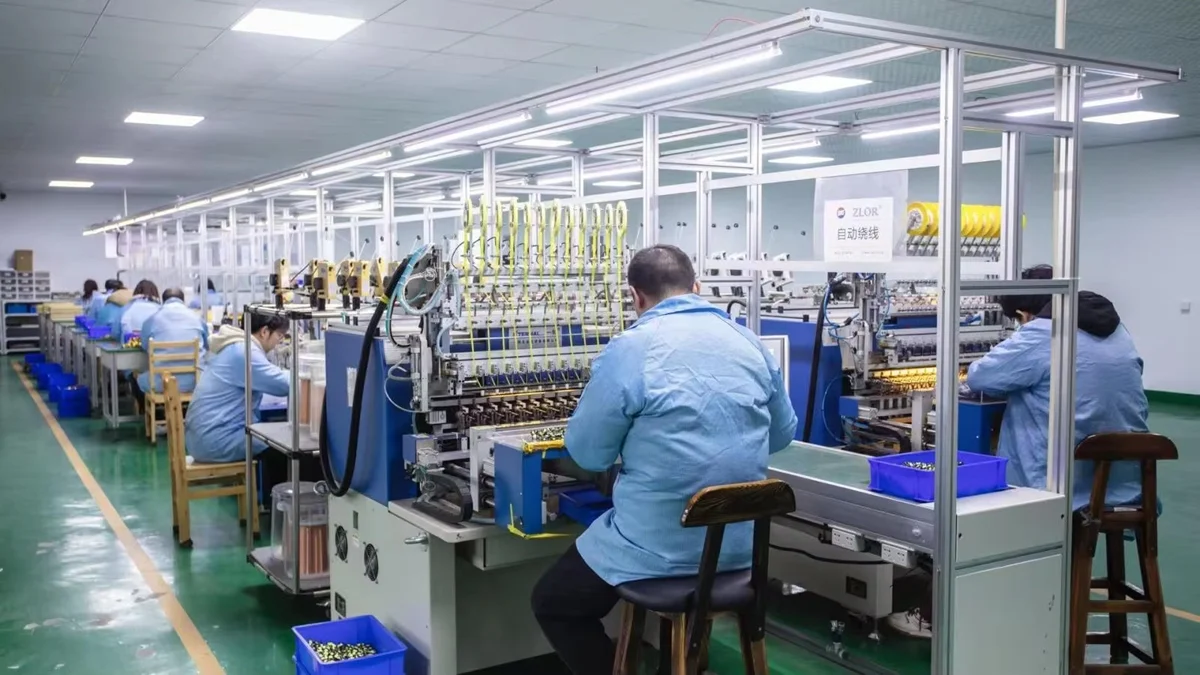
Why Do EMI Filters Fail? 5 Common Causes and How to Avoid Them
You have built a great machine. The power supply is strong. The code is perfect. It hums…